 Khamr Elsaleheen

A drink that clears the mind, not one that clouds it.
In the year 1511, in the city of Mecca, people began gathering in new kinds of places to drink a curious, aromatic brew whose name was still strange to them: qahwa. The scent of roasted beans filled the air, and laughter echoed between the cups.
The city soon fell into debate. Scholars and merchants argued over this new drink — some declared it forbidden, like wine, believing it clouded the mind and pulled people away from devotion. Coffeehouses spread quickly, until word reached the governor of Mecca himself, who grew alarmed, condemned the drink as a corrupting distraction, and ordered the houses closed.
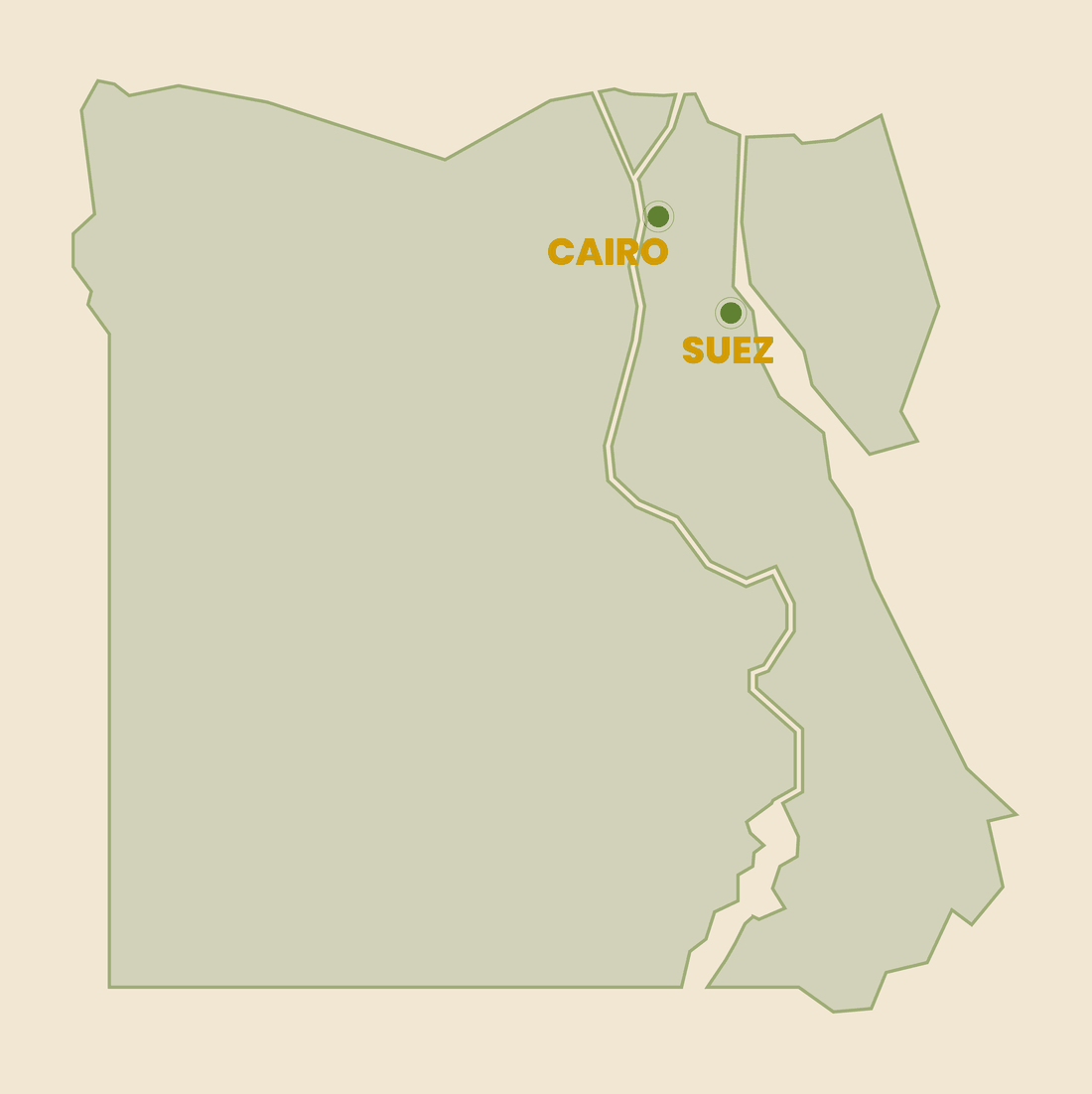
The dispute travelled onward — to Cairo, and then to the Ottoman Sultan's palace in Istanbul. There, scholars gathered to taste the drink for themselves and weigh its truth.
"It carries no drunkenness, no clouding of the mind — it does not take the intellect away. It sharpens it, and it deserves to be welcomed."
And so the verdict was given: coffee was lawful. The coffeehouses reopened, life returned to them, and people once again filled their cups — this time seeing in the drink a symbol of clarity.
From that day on, people came to call it "Khamr Elsaleheen" — a drink that never intoxicates, but instead lifts the spirit and awakens the heart.
And that is where our name comes from — a name that reflects a different kind of meaning for a "drink": one that awakens the spirit rather than clouding the mind.

في مكة سنة 1511م، بدأ الناس يجتمعون في مقاهٍ جديدة تقدّم شرابًا غريبًا اسمه القهوة. رائحة البن المحمص تملأ المكان، والضحكات تمتزج بأصوات الفناجين.
ضجّت المدينة بالجدل بين العلماء والتجار، بين من قال إنها حرام كالخمر، ومن رد بأنها تنبّه العقل ولا تُسكر. انتشرت المقاهي بسرعة، حتى وصل خبرها إلى والي مكة، فغضب واعتبرها فتنة تلهي الناس عن العبادة، وأمر بإغلاقها.
سافرت القضية إلى مصر، ثم إلى قصر السلطان العثماني في إسطنبول. اجتمع العلماء، وتذوّقوا القهوة ليفهموا حقيقتها.
فقال كبير العلماء بعد التأمل: "لا سُكر فيها... بل صفاء؛ إنها لا تُذهب العقول، بل تُحييها".
صدر القرار: القهوة حلال. عادت المقاهي إلى الحياة، وعاد الناس يملؤونها فرحًا، يحتسون شرابًا صار رمزًا للصفاء.
منذ ذلك اليوم، سمّاها الناس "خمر الصالحين" — شراب لا يُسكر، بل يُنير الروح ويوقظ القلب.
ومن هنا أصبحت هذه الفكرة مصدر الإلهام وراء اسمنا: خمر الصالحين — اسم يعكس مفهومًا مختلفًا لـ "الشراب" — شرابٌ يوقظ القلب بدلًا من أن يُغشي العقل.